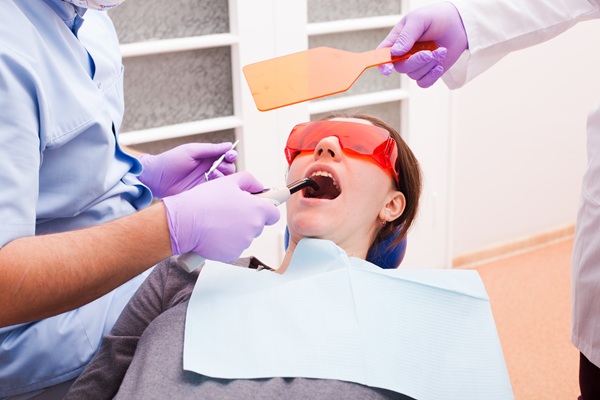
Laser periodontal therapy is a minimally invasive approach to gum disease treatment. This treatment targets specific infected areas with precision to treat gum disease without the pain and prolonged recovery times that follow traditional approaches. Understanding what makes laser periodontal therapy such an effective treatment method can help you decide whether to ask a dentist about it.
How dentists treat gum disease
Gum disease, or periodontal disease, is an infection of the tissues and bones that support the teeth. It typically begins with plaque buildup along the gum line, which can lead to inflammation, bleeding, and gum recession if not properly treated. Once it progresses to an advanced stage, it can spread below the gums and loosen the teeth.
The earliest stage of gum disease (gingivitis) is reversible with routine dental cleanings from a general dentist and improved oral hygiene. However, once the disease progresses to periodontitis, professional dental treatment becomes necessary to remove bacteria and damaged tissue beneath the gum surface. Traditionally, this has involved surgical procedures such as flap surgery or scaling and root planing, which, while effective, can also bring discomfort and extended healing periods. Laser periodontal therapy is a modern alternative that addresses the same underlying causes with significantly less disruption to healthy tissue.
How laser periodontal therapy works
Laser periodontal therapy uses highly focused light energy to gently remove harmful bacteria and infected tissue from around the teeth and gums. A general dentist starts the procedure by guiding a specialized dental laser into the periodontal pockets, which are the spaces that form when gum tissue starts to pull away from the teeth due to inflammation or infection. With the laser, they disinfect these areas while carefully removing only the damaged tissue. They can leave healthy structures completely intact. After this, they clean and smooth root surfaces, making it harder for bacteria to build up again.
Since laser periodontal therapy does not require cutting or stitching, the experience is typically more comfortable than traditional gum surgery. The laser’s precision helps preserve healthy gum tissue, which promotes faster healing and improved long-term results. Further, as the laser works, it also encourages the formation of a protective clot that helps seal the area and supports natural healing.
Why is it so effective?
The effectiveness of laser periodontal therapy lies in its ability to combine accuracy, disinfection, and tissue preservation. Unlike traditional gum surgery that involves cutting and lifting gum tissue, lasers target only diseased tissue while leaving surrounding structures intact. This selectivity results in less trauma to the area and stimulates the body’s natural healing processes.
Benefits of laser periodontal therapy
Laser periodontal therapy has become an increasingly popular treatment due to its efficacy. Take a closer look at its benefits compared to traditional gum disease treatments.
Less pain
One of the most appreciated benefits of laser periodontal therapy is the reduced discomfort associated with it compared to other gum disease treatments. Because the laser does not require incisions or extensive manipulation of the gums, the procedure is typically much gentler. Post-procedure soreness is also limited compared to conventional treatments, which can involve swelling, bruising, and sensitivity due to sutures and tissue trauma. Patients can expect a faster return to normal eating, speaking, and daily activities.
A lower risk of infection
Lasers naturally sterilize the area as they work, significantly lowering the risk of postoperative infection. This makes laser periodontal therapy particularly beneficial for patients with underlying health conditions or those who may have difficulty healing from surgical procedures. With fewer bacteria left behind and less open tissue, the body is better equipped to recover quickly and without complications.
No sutures
Another key benefit of laser periodontal therapy is that it typically does not require the use of sutures. Since the laser helps seal the treated area, the gums can begin to reattach to the teeth without the need for stitching. This leads to a smoother healing process and eliminates the need for follow-up appointments to remove sutures.
The absence of sutures also contributes to greater comfort during recovery, as there are fewer irritants in the mouth and less tissue manipulation. Patients generally experience less swelling, and the gums often appear healthier in a shorter amount of time.
Learn more in a consultation
Laser periodontal therapy is a patient-friendly way to manage gum disease with less pain and faster healing. It is an ideal option for those who want a less invasive option than traditional gum disease treatments. To learn more, contact our Onalaska general dentist’s office for a consultation. We can assess your dental condition and discuss laser periodontal therapy and other treatment options that could restore your oral health.
Request an appointment here: https://siegertdental.com or call Siegert Dental at (608) 394-3943 for an appointment in our Onalaska office.
Check out what others are saying about our services on Yelp: Read our Yelp reviews.
Related Posts
An implant dentist is a professional who diagnoses, plans, and places dental implants to restore the function and appearance of a smile. Missing or damaged teeth often lead to complications such as jaw discomfort, misalignment, and reduced chewing efficiency. If left unmanaged, these problems can gradually impact overall oral health and daily comfort. Here are…
Choosing a general dentist for family dental care gives your household one consistent place for checkups and long-term support. When everyone visits the same office, scheduling often becomes easier, records stay in one place, and care feels more organized. A general dentist can also get to know your family’s dental history and track changes over…
An implant dentist can help people who are missing one or more teeth restore the appearance and function of their smile. These dental professionals specialize in dental implant procedures that can help promote long-term oral health. They also offer follow-up care and support for those who need to repair or replace their restoration.Tooth loss affects…
No longer is it necessary for patients to wait weeks to restore a fragile or decaying tooth. Same day crowns offer a single-visit approach, allowing you to walk out with a beautiful, functional smile in just a few hours. The process blends advanced clinical precision with a deep respect for a patient's time and comfort.…