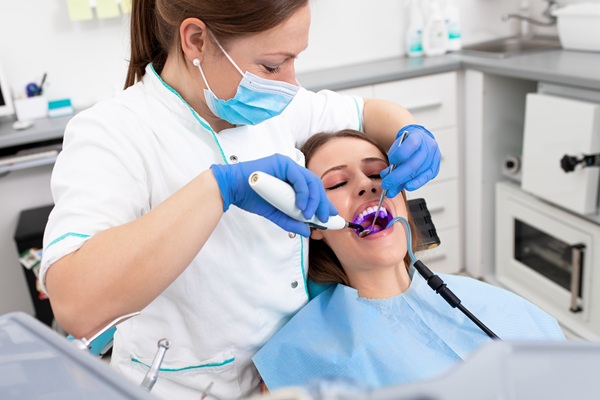
An airway dentist can treat issues like sleep apnea, snoring, or chronic fatigue. These dental professionals identify and treat conditions that impact your breathing and sleep, often using a combination of dental appliances, lifestyle advice, and other treatments. If you have tried traditional methods without success or if your breathing problems are linked to jaw misalignment, seeing an airway dentist could be a game-changer for improving your sleep and overall health.
What is airway dentistry?
Airway dentistry focuses on identifying and treating issues related to the airway that can impact a person’s breathing, especially during sleep. These issues may include snoring, sleep apnea, and other conditions that can lead to disturbed sleep and oxygen deprivation. As general dentists with specialized training, airway dentists assess the structure and function of the mouth, jaw, and throat, all of which play a significant role in maintaining an open airway. By addressing problems like poor jaw alignment or a narrow airway, an airway dentist can help prevent or alleviate the symptoms of breathing disorders and improve a patient’s overall health.
Why does airway health fall under dentistry?
Airway health is closely tied to dental health, as the jaw, muscles, and soft tissues around the mouth directly affect airflow. Issues like misaligned jaws, enlarged tonsils, or narrow nasal passages can obstruct breathing, leading to conditions like obstructive sleep apnea (OSA). An airway dentist focuses on identifying and treating these issues, often using general dentistry appliances, orthodontics, or techniques to reposition the jaw and improve airflow.
Further, many people with snoring or sleep apnea may not realize their dental health is a contributing factor. Addressing these problems can result in better sleep and a lower risk of developing other health issues, such as heart disease, high blood pressure, and cognitive decline.
Who should see an airway dentist?
Sleep apnea, snoring, and chronic fatigue are common reasons to see an airway dentist. For patients who have not seen meaningful improvements with conventional treatments or whose breathing problems are linked to jaw misalignment, seeking the expertise of an airway dentist may be a turning point in treatment. Their focus is on improving both sleep quality and overall health by addressing how the mouth, jaw, and throat interact with breathing. This integrated approach can lead to long-term improvements, making it easier to breathe and rest better.
Other symptoms an airway dentist can help alleviate
An airway dentist can treat more than snoring and sleep apnea. Other common symptoms they can help with include:
- Frequent headaches
- Jaw pain or discomfort
- Teeth grinding or clenching
These symptoms may indicate that misalignment in the jaw or other airway-related issues are contributing to the problem. An airway dentist can assess the root cause of discomfort and determine whether dental concerns, such as jaw misalignment or obstructed airways, are affecting breathing. The goal is to help prevent the progression of sleep-disordered breathing and other health complications.
Common airway dentistry treatments
Airway dentists use a variety of treatments to address common issues like sleep apnea and snoring, focusing on improving airway function and promoting better breathing during sleep. One of the most common treatments is the use of oral appliances, such as mandibular advancement devices (MADs), which gently reposition the jaw to keep the airway open. These devices are often recommended for patients with mild to moderate obstructive sleep apnea or those who snore.
In addition to oral appliances, airway dentists may use orthodontic treatments to correct jaw misalignment or expand the upper jaw, improving airflow. In more complex cases, they may work in coordination with other specialists to provide a comprehensive approach, incorporating lifestyle changes, breathing exercises, or surgical interventions if necessary.
How to choose the right airway dentist
Choosing the right airway dentist is important for receiving effective and personalized care. It is essential to look for a dentist with specific training and experience in airway management and sleep-related breathing disorders. Many general dentists now offer airway dentistry services or work closely with sleep specialists to ensure patients receive comprehensive care.
When selecting an airway dentist, consider their qualifications, the treatments they offer, and their approach to patient care. A good airway dentist will take the time to perform a thorough evaluation, listen to concerns, and explain all available treatment options. They should also be able to coordinate with other healthcare providers, such as primary care physicians, to ensure a holistic approach to treating airway issues.
Consult an airway dentist
Airway dentists are trained in diagnosing and treating conditions that can affect breathing, sleep, and overall health. For patients experiencing airway-related issues, seeing one of these dentists could be a step toward better health and well-being. Take your first step today; schedule an appointment with our team at Siegert Dental.
Request an appointment here: https://siegertdental.com or call Siegert Dental at (608) 394-3943 for an appointment in our Onalaska office.
Check out what others are saying about our services on Yelp: Read our Yelp reviews.
Related Posts
Good oral health is important for more than just how your teeth look. Our dental practice emphasizes to each patient that healthy teeth and gums can contribute to overall health. Neglecting oral hygiene can lead to serious health problems that affect other parts of the body. Here are three key ways oral health can affect…
Scheduling an initial visit to a dental practice marks the first step toward maintaining optimal oral health. Proper preparation for this appointment ensures a seamless experience, allowing the dental team to provide the highest-quality care possible. Understanding what documents and information to bring facilitates efficient care, reduces stress, and helps patients feel comfortable and informed…
SureSmile® clear aligners offer patients a discreet and streamlined experience for straightening and brightening their teeth. Millions of patients, from adolescents to adults, are switching to or choosing clear aligner methods as they provide close to the same durability as traditional straightening methods with reduced treatment time and, most importantly, discretion. Each person's needs are…
A dental emergency can happen at any time. One of the most alarming involves a knocked-out tooth. Fortunately, a dental practice can handle these urgent cases and provide the necessary care to increase the chances of saving the tooth. These offices offer immediate treatment, professional guidance, and long-term solutions to restore your oral health.If a…