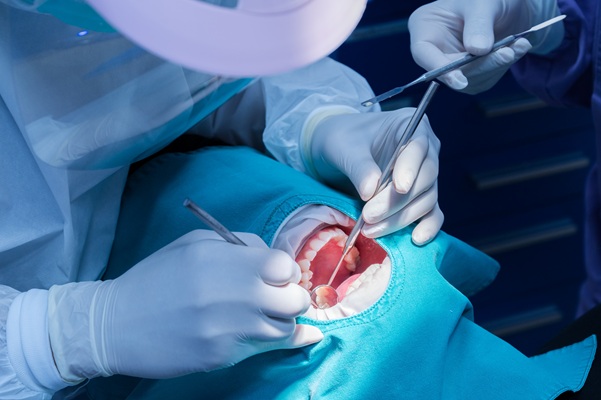
Oral surgery is a branch of dentistry that diagnoses and treats conditions affecting the mouth, jaw, and face. While general dental treatments can address many dental issues, some issues require surgical intervention. Understanding the different types of oral surgery can help patients make informed decisions when they need a more advanced procedure.
1. Tooth extractions
Tooth extraction is one of the most common types of oral surgery performed in dental practices. This procedure is typically recommended when a tooth is severely damaged, decayed, or infected beyond repair. It may also be necessary when a tooth is crowding other teeth or causing alignment issues.
2. Dental implants
Dental implants are another highly common oral surgery procedure that involves placing a titanium post into the jawbone to replace a missing tooth or multiple teeth. Unlike traditional dentures or bridges, dental implants provide a permanent solution that is more stable and natural-looking. The implant fuses with the bone over time, providing a strong foundation for a crown, bridge, or denture.
The procedure typically involves two stages: the first involves placing the implant itself, and the second involves attaching the restoration (crown, bridge, or denture) once the implant has integrated with the bone. Dental implants are an effective solution for individuals who have lost teeth and want to restore their smiles' functionality and aesthetics.
3. Bone grafting
In some cases, individuals may not have enough bone in the jaw to support a dental implant. This can happen due to bone loss from gum disease, tooth extraction, or long-term neglect of oral health. Bone grafting is an oral surgery procedure that helps restore bone structure by grafting bone from another part of the body (a donor or using synthetic bone material) to the jawbone.
Bone grafting aims to rebuild the jawbone to support a dental implant. After placement, the bone graft needs time to heal and integrate with the existing bone before placing an implant.
4. Corrective jaw surgery (orthognathic surgery)
Corrective jaw surgery, also known as orthognathic surgery, is a type of oral surgery that involves repositioning the upper or lower jaw to correct alignment issues. We typically recommend this procedure for patients who have significant jaw misalignment, which can lead to difficulty chewing, speaking, or breathing.
Orthognathic surgery can also correct congenital conditions such as cleft palate and address jaw abnormalities caused by trauma or injury. This surgery aims to improve function and appearance, ensuring the jaws are properly aligned to support healthy oral function.
5. Frenectomy
A frenectomy is a relatively simple oral surgery procedure that involves removing or modifying the frenulum, a small fold of tissue that connects the lip or tongue to the gums. Frenectomies are commonly performed to address issues such as tongue-tie (ankyloglossia), which occurs when the frenulum is too tight, restricting the movement of the tongue. Patients can determine if this procedure is necessary during a consultation and examination.
6. Temporomandibular joint (TMJ) surgery
Temporomandibular joint (TMJ) surgery is an oral procedure to correct problems with the jaw joint, which connects the jaw to the skull. TMJ disorders can cause pain, clicking, or difficulty moving the jaw. When conservative treatments, such as physical therapy or medication, do not provide relief, surgery may be necessary.
7. Treatment of oral cancer
Oral cancer can develop in the mouth, tongue, gums, or other parts of the oral cavity. When diagnosed, oral surgery is often required to remove cancerous tissue and, in some cases, surrounding areas to ensure the cancer does not spread. Depending on the severity of the cancer, reconstructive surgery may be necessary to restore the appearance and function of the affected area.
Get treated today
Oral surgery encompasses a wide range of procedures that address both functional and aesthetic issues related to the mouth, jaw, and face. From tooth extractions to complex surgeries like corrective jaw or oral cancer surgeries, these procedures play an essential role in restoring health and improving quality of life. Regular consultations with a dentist can ensure that any necessary surgeries are identified early and addressed with the most appropriate treatment options. For more information or to schedule a consultation, call or visit Siegert Dental.
To schedule a consultation, request an appointment on our website at https://siegertdental.com or call Siegert Dental at (608) 394-3943 for an appointment in our Onalaska office.
Check out what others are saying about our dental services on Yelp: Oral Surgery in Onalaska, WI.
Related Posts
An implant dentist is a professional who diagnoses, plans, and places dental implants to restore the function and appearance of a smile. Missing or damaged teeth often lead to complications such as jaw discomfort, misalignment, and reduced chewing efficiency. If left unmanaged, these problems can gradually impact overall oral health and daily comfort. Here are…
An implant dentist can help people who are missing one or more teeth restore the appearance and function of their smile. These dental professionals specialize in dental implant procedures that can help promote long-term oral health. They also offer follow-up care and support for those who need to repair or replace their restoration.Tooth loss affects…
An implant dentist replaces missing teeth with durable, natural-looking dental implants. Choosing the right provider is essential for long-term success, as implants require precise placement and proper integration with the jawbone. Patients seeking a permanent solution for tooth loss can benefit greatly from the expertise of an implant dentist. Understanding the advantages of specialized treatment…
Tooth replacement can restore the ability to chew, speak clearly, and maintain a balanced smile after one or more teeth are lost. Missing teeth may affect more than appearance alone. Gaps in the smile can lead to shifting teeth, uneven bite pressure, and added strain on the surrounding oral structures. Comparing the main treatment options…