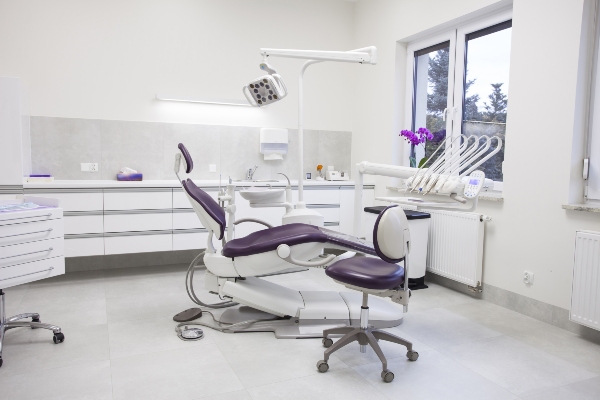
 Scheduling an initial visit to a dental practice marks the first step toward maintaining optimal oral health. Proper preparation for this appointment ensures a seamless experience, allowing the dental team to provide the highest-quality care possible. Understanding what documents and information to bring facilitates efficient care, reduces stress, and helps patients feel comfortable and informed from the moment they enter the practice.
Essential documents for a dental practice visit
When preparing for an initial dental appointment, bringing the necessary documentation allows the dental practice to create an accurate, comprehensive patient profile. It also helps make the check-in process efficient and stress-free. Important documents include:
Insurance Information
Patients with dental insurance should bring their current insurance card, policy number, and any relevant provider contact information. Providing insurance details enables the dental practice to verify coverage as soon as possible and clearly explain potential out-of-pocket expenses.
Identification and personal information
A valid photo identification card, such as a driver's license, state ID, or passport, is essential for verifying the patient's identity. Patients should also be prepared to supply personal contact information, including current address, phone number, and email.
Medical and dental history information
Providing a complete medical and dental history is critical for the dental practice to deliver personalized, safe, and effective care. Patients should be ready to discuss past dental treatments, surgeries, or significant medical conditions. Sharing details about current medications, allergies, or chronic illnesses allows dental professionals to adjust treatments accordingly, preventing potential complications and ensuring optimal patient safety.
If possible, patients should request copies of recent dental records or X-rays from previous providers and bring them to the appointment. Such information supports accurate diagnosis and reduces unnecessary repetition of imaging procedures.
List of questions or concerns
Arriving prepared with questions or concerns empowers patients and fosters effective communication with the dental team. Common areas patients may wish to address may include:
- Proper oral hygiene practices
- Cosmetic concerns
- Tooth sensitivity or pain
- Fear around dental procedures
By sharing these questions upfront, the dental practice can effectively tailor consultations and treatments to meet individual patient needs.
Forms of payment
Patients should also bring an accepted form of payment. The most commonly accepted types of payment include credit or debit cards, checks, or cash, particularly if they anticipate paying copayments or deductibles. Confirming accepted payment methods with the dental practice in advance can help prevent inconvenience or confusion during the visit.
Arriving with comfort and confidence
Additionally, patients can bring items that promote comfort during the visit, such as headphones or reading material, especially if they feel anxious about dental treatments. The dental practice aims to ensure every patient's safety and comfort. These familiar items can make the overall experience more pleasant.
Our team is here to make the process as easy as possible
Properly preparing for an initial appointment sets the foundation for a positive, lasting relationship with the dental practice. Do you have questions for the Siegert Dental team? Call our Onalaska office to learn more about our services or to schedule an appointment.
Request an appointment or call Siegert Dental at 608-394-3943 for an appointment in our Onalaska office.
Related Posts
A dental emergency can happen at any time. One of the most alarming involves a knocked-out tooth. Fortunately, a dental practice can handle these urgent cases and provide the necessary care to increase the chances of saving the tooth. These offices offer immediate treatment, professional guidance, and long-term solutions to restore your oral health.If a…
SureSmile® clear aligners offer patients a discreet and streamlined experience for straightening and brightening their teeth. Millions of patients, from adolescents to adults, are switching to or choosing clear aligner methods as they provide close to the same durability as traditional straightening methods with reduced treatment time and, most importantly, discretion. Each person's needs are…
Dental implants are an option for people who need to replace one or more missing teeth. The process involves several steps during which a metal post is surgically mounted into the jaw. The replacement tooth or crown is then secured to the implant, holding the new tooth firmly in place.Missing teeth can have an adverse…